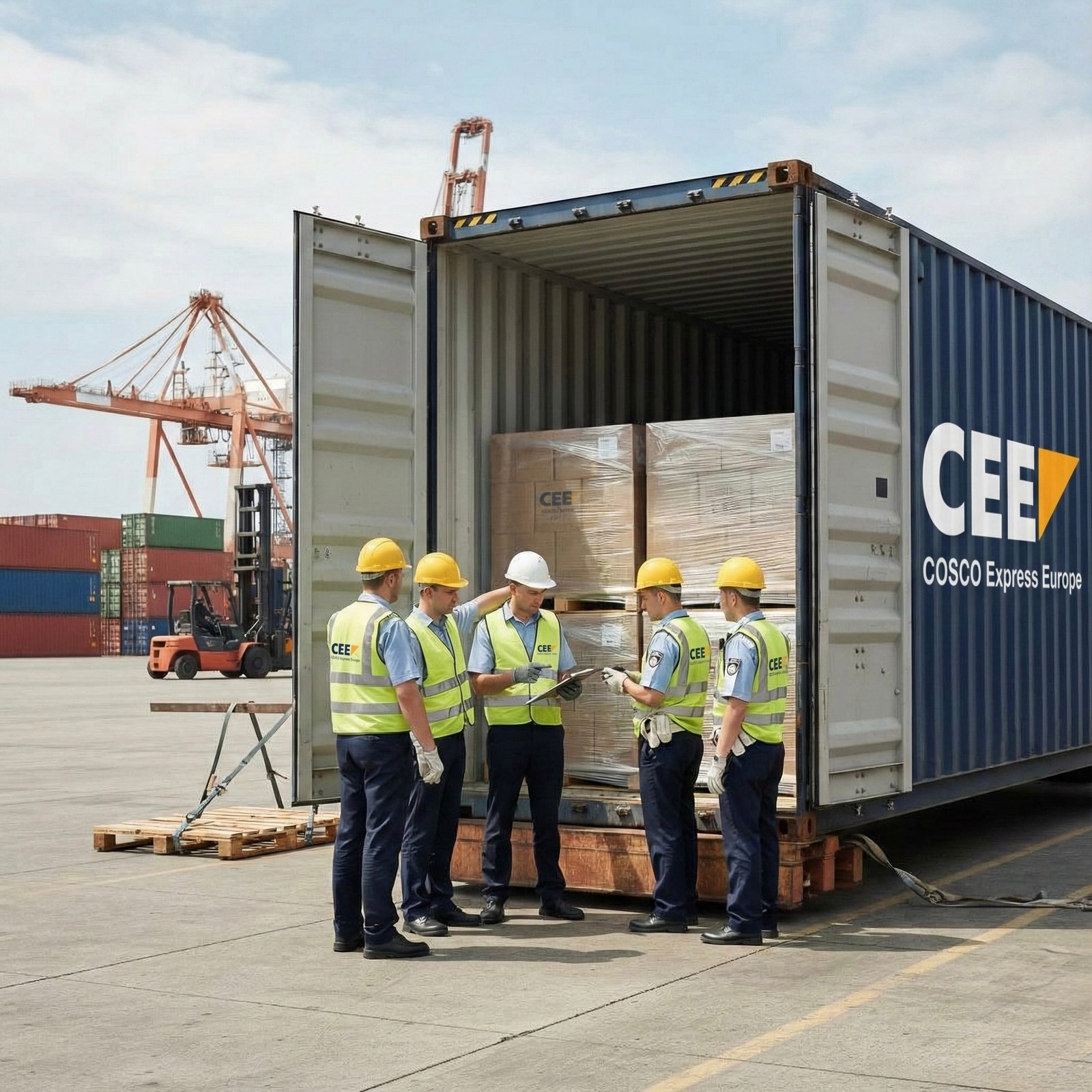
Contract storage, cross-docking, pick and pack and last-mile delivery — why more companies in the Kingdom outsource warehousing to a 3PL.
Running your own warehouse means leases, staff, equipment and systems — fixed costs that don't shrink when volumes do. That is why more companies in the Kingdom are turning to third-party logistics (3PL). This guide explains how 3PL warehousing in Saudi Arabia works, what services to expect, and how outsourcing can cut costs while improving delivery performance.
What is a 3PL?
A third-party logistics provider stores, manages and ships your inventory on your behalf. Instead of investing in your own facility, you pay for the space and services you actually use — and gain a partner that already has the people, systems and transport network in place.
Core 3PL warehousing services
- Contract warehousing — dedicated or shared space for long-term storage.
- Short-term and buffer storage — overflow capacity for seasonal peaks or delayed shipments.
- Cross-docking — moving goods straight from inbound to outbound transport with little or no storage.
- Pick, pack and value-added services — kitting, labelling, repacking and quality checks.
- Distribution and last-mile coordination — delivery to stores, distributors and end customers.
- Inventory management — stock visibility, cycle counts and reporting.
Why outsource warehousing in Saudi Arabia?
Turn fixed costs into variable costs
Pay for pallets, orders and services used rather than an entire building. When volumes fall, your costs fall with them.
Scale up without new investment
Ramadan, Eid, White Friday and new product launches can double volumes overnight. A 3PL absorbs peaks without you signing another lease.
Faster delivery across the Kingdom
Well-located warehouses near Riyadh, Jeddah and Dammam shorten delivery times to the Central, Western and Eastern regions.
One flow from port to customer
When the same partner handles sea and air freight, customs clearance, storage and delivery, there are fewer handovers — and fewer delays.
How to choose a 3PL partner
- Location — proximity to ports, airports and your customers.
- Systems — a warehouse management system with real-time stock visibility.
- Accuracy — ask for order accuracy and on-time dispatch performance.
- Flexibility — short-term options, not only multi-year contracts.
- Integration — freight, customs and last-mile delivery under one roof.
Warehousing and distribution with Zenlogix
Zenlogix provides contract warehousing, buffer storage, cross-docking, pick and pack and distribution, integrated with our freight and customs services and our supply chain management solutions. Request a warehousing quote tailored to your volumes.
Frequently asked questions
What is the difference between 3PL and 4PL?
A 3PL carries out logistics operations such as warehousing and transport. A 4PL manages and optimises the whole supply chain, often coordinating several 3PLs on your behalf.
How is 3PL warehousing priced?
Typically per pallet or square metre of storage per month, plus handling charges per inbound pallet, per order picked and for any value-added services.
Is cross-docking suitable for every product?
Cross-docking works best for fast-moving goods with predictable demand and for consolidating deliveries from several suppliers. Slow-moving stock is better stored.