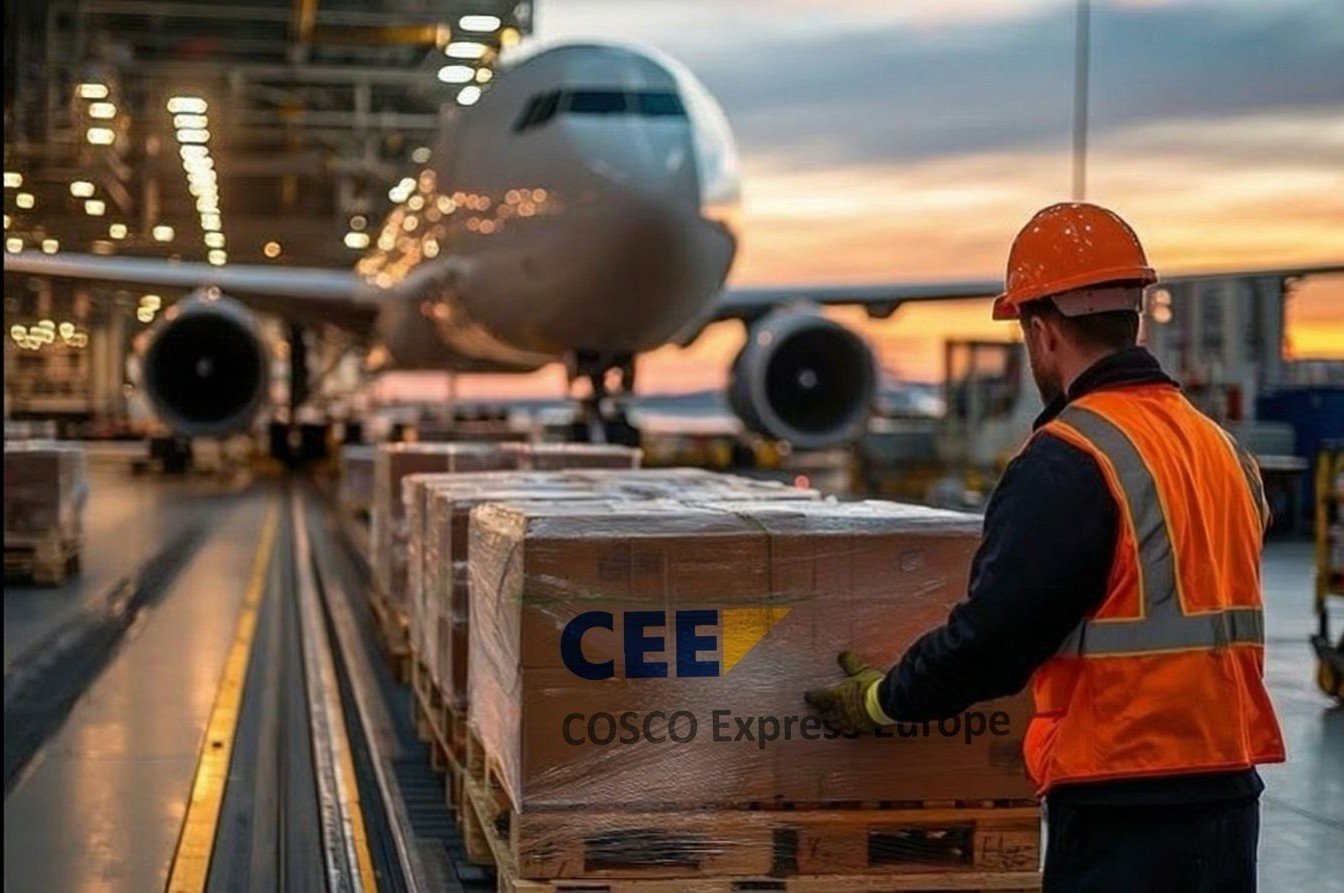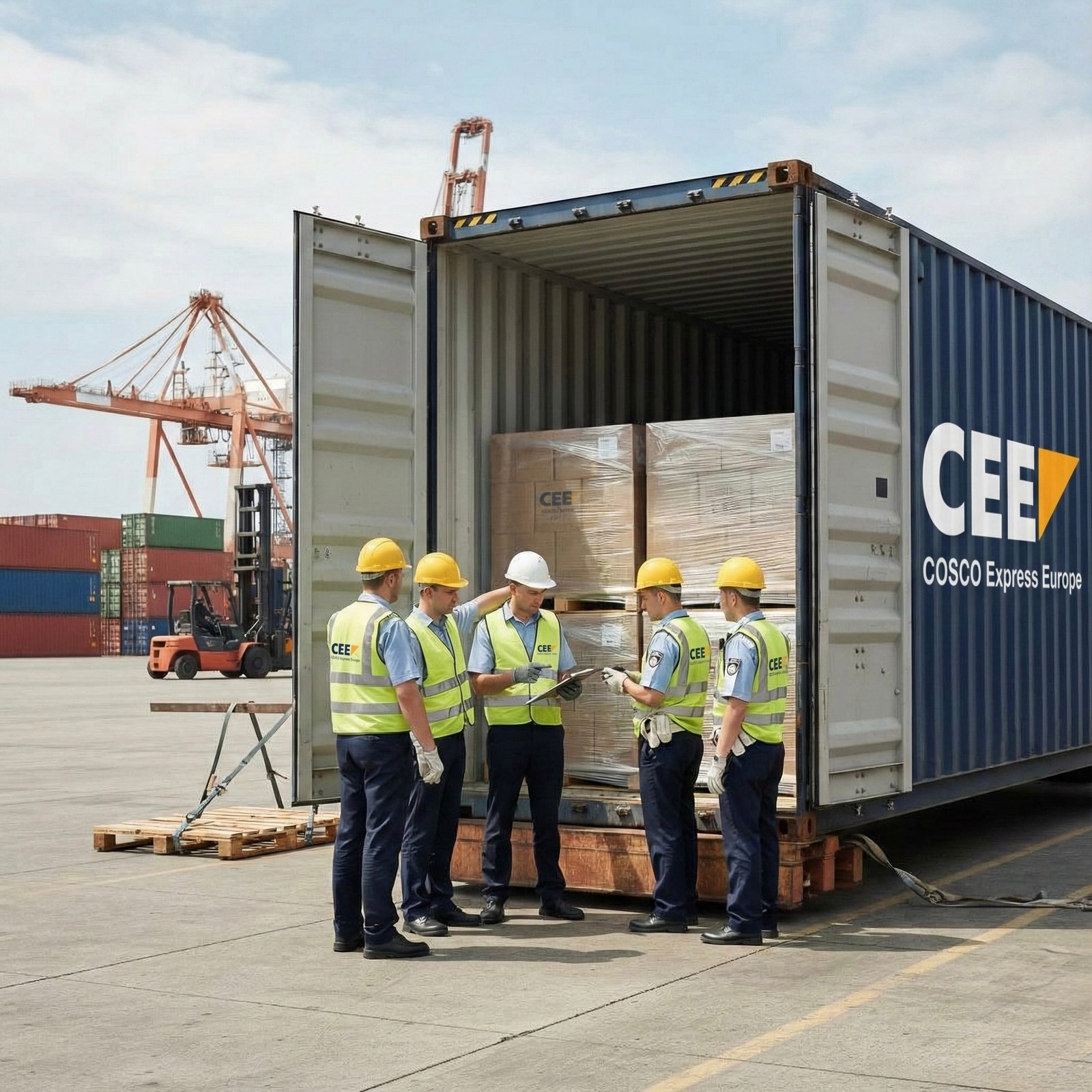
Transit times, chargeable weight and total landed cost compared — plus when sea-air is the smartest option for cargo from China.
China is Saudi Arabia's largest trading partner, and for most importers the key logistics decision is simple to state and hard to get right: air freight or sea freight? Air is fast but costly; sea is economical but slow. This guide compares cost, transit time and risk so you can choose the right mode for each shipment from China to Saudi Arabia.
Transit times compared
| Mode | Typical door-to-door time | Main gateways in KSA |
|---|---|---|
| Air freight | 3–7 days | Riyadh (RUH), Jeddah (JED), Dammam (DMM) |
| Sea-air | 12–20 days | Via a regional hub, then by air |
| Sea freight (FCL/LCL) | 25–40 days | Jeddah Islamic Port, King Abdulaziz Port Dammam |
Times are indicative and include origin handling and customs clearance; actual times depend on the origin city, routing and season.
Cost: how air and sea are charged
Air freight is charged per kilogram of chargeable weight — the greater of the actual weight and the volumetric weight (length × width × height in cm ÷ 6,000). Light, bulky goods can therefore cost far more than their actual weight suggests.
Sea freight is charged per container (FCL) or per cubic metre (LCL). As a rough guide, sea freight is often several times cheaper per kilogram than air, which is why most regular stock moves by sea. Read our LCL vs FCL guide to choose the right sea option.
When to choose air freight
- High-value, low-weight goods such as electronics, pharmaceuticals and fashion samples.
- Urgent restocking or production-critical spare parts.
- Perishable or time-sensitive products.
- Product launches where days on the shelf matter more than freight cost.
When to choose sea freight
- Heavy or bulky cargo such as furniture, building materials and machinery.
- Regular, forecastable replenishment where you can plan several weeks ahead.
- Low-margin goods where freight cost per unit is decisive.
- Vehicles and oversized equipment via Ro-Ro or flat-rack.
The middle ground: sea-air
Sea-air combines an ocean leg to a regional hub with an onward air leg. It is typically about half the time of pure sea freight at a significantly lower cost than direct air — ideal for seasonal stock that is late but not urgent.
A simple way to decide
- Work out the chargeable weight for air and the CBM for sea.
- Compare total landed cost, including customs duty, VAT and delivery.
- Calculate the cost of waiting — lost sales, stock-outs and capital tied up in transit.
- Split shipments if needed: fly a small urgent portion and send the balance by sea.
Don't forget customs
Whichever mode you choose, cargo from China must clear Saudi customs through FASAH, and many products need SABER certificates. Missing paperwork cancels out the speed of air freight. See our complete guide to customs clearance in Saudi Arabia.
Ship from China with Zenlogix
Zenlogix offers air freight, sea freight and sea-air solutions from China to Saudi Arabia with customs clearance and door delivery included. Get a quote for both modes and compare.
Frequently asked questions
How long does sea freight from China to Saudi Arabia take?
Typically 25 to 40 days door to door, depending on the origin port, the Saudi port of entry and whether you ship FCL or LCL.
How is air freight chargeable weight calculated?
It is the greater of the actual gross weight and the volumetric weight, which is length × width × height in centimetres divided by 6,000.
Is sea-air cheaper than air freight?
Yes. Sea-air is usually considerably cheaper than direct air freight while still being much faster than sea freight alone.