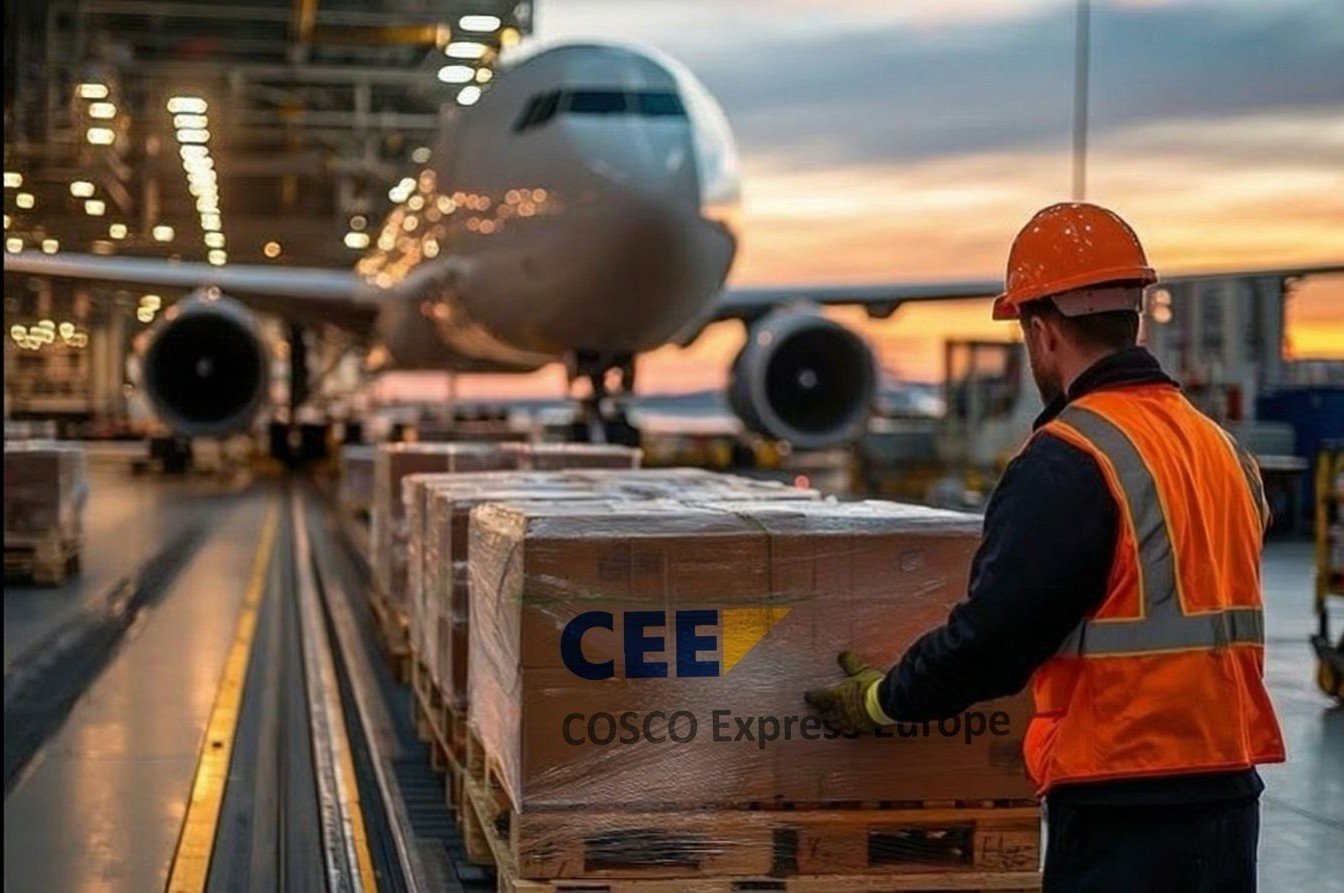
FASAH, SABER, HS codes, duty and VAT — everything importers need to know to clear goods through Saudi customs quickly and without surprise costs.
Importing into the Kingdom is straightforward when you know the process — and expensive when you don't. Missing certificates, wrong HS codes or an incomplete invoice are the main reasons cargo sits at Jeddah Islamic Port, King Abdulaziz Port in Dammam or King Khalid International Airport longer than it should. This guide walks through customs clearance in Saudi Arabia step by step so your shipments are released quickly and without surprise costs.
Who manages customs in Saudi Arabia?
Customs in the Kingdom is administered by the Zakat, Tax and Customs Authority (ZATCA). Import and export declarations are filed electronically through FASAH, the national single-window platform that connects customs with the other government agencies involved in releasing goods. In practice, most companies appoint a licensed customs broker to prepare and submit declarations on their behalf.
Before you ship: importer requirements
- Commercial Registration (CR) — the importer of record must be a registered entity in Saudi Arabia.
- FASAH / customs registration — the importer needs to be set up to clear goods, either directly or through a broker.
- Product conformity — many regulated products need registration and certificates through SABER, the SASO product-safety platform, before they ship.
- Special permits — food, cosmetics, medical devices, chemicals and telecoms equipment may need approval from the relevant authority (for example SFDA or CST).
The documents you need
Most delays come down to paperwork. Make sure these documents are complete and consistent with each other before the cargo departs:
- Commercial invoice — seller and buyer details, a clear description of each item, quantity, unit value, total value, currency, Incoterm and country of origin.
- Packing list — number of packages, gross and net weights and dimensions that match the transport document.
- Bill of lading or air waybill — naming the correct consignee and notify party.
- Certificate of origin — needed to prove origin and to claim preferential duty under GCC or other trade agreements.
- SABER certificates — the product and shipment certificates for regulated goods.
- Permits and licences — for any restricted or controlled goods.
Duties and VAT
Customs duty is calculated on the CIF value of the goods using the HS code in the Saudi customs tariff. Many products attract a duty rate of around 5%, while some categories are higher and some are exempt — which is why correct classification matters. VAT of 15% is also charged on imports, calculated on the customs value plus duty. Getting the HS code wrong can mean paying too much, or paying penalties later.
The clearance process step by step
- Pre-arrival check — your broker reviews documents and classifications before the goods arrive.
- Declaration filed on FASAH — including the invoice, transport document and supporting certificates.
- Risk assessment and inspection — shipments are released electronically or selected for documentary or physical inspection.
- Payment of duty and VAT — through the approved payment channels.
- Release and delivery — once released, the cargo can be collected and moved by inland transport to your warehouse.
How to avoid customs delays
- Confirm HS codes with your broker before the supplier issues the invoice.
- Register regulated products on SABER early — certificates can take time.
- Make sure descriptions, weights and values match across every document.
- Share documents with your forwarder as soon as the cargo is booked, not on arrival.
- Use one partner for freight and customs so nothing falls between two providers.
How Zenlogix helps
Our customs clearance team handles normal, fiscal and special clearance, reviews your documents before departure and coordinates with sea freight, air freight and delivery so your goods move from port to door in one flow. Contact us to discuss your next import.
Frequently asked questions
How long does customs clearance take in Saudi Arabia?
With complete documents and valid certificates, many shipments clear within one to three working days of arrival. Inspections, missing SABER certificates or permit issues can extend this.
What is FASAH?
FASAH is Saudi Arabia's national single-window platform for trade. Customs declarations and the related approvals from other government agencies are handled through it.
Do I need a customs broker to import into Saudi Arabia?
It is not always mandatory, but most businesses use a licensed broker because classification, SABER requirements and FASAH filing are specialist tasks where mistakes are costly.